Understand the problem
Use rapid assessments to learn where preventable blindness is occurring, why it persists, and who is being missed.
Mission statement
A bi-directional help me help you model. Let's get it done and make it fun.
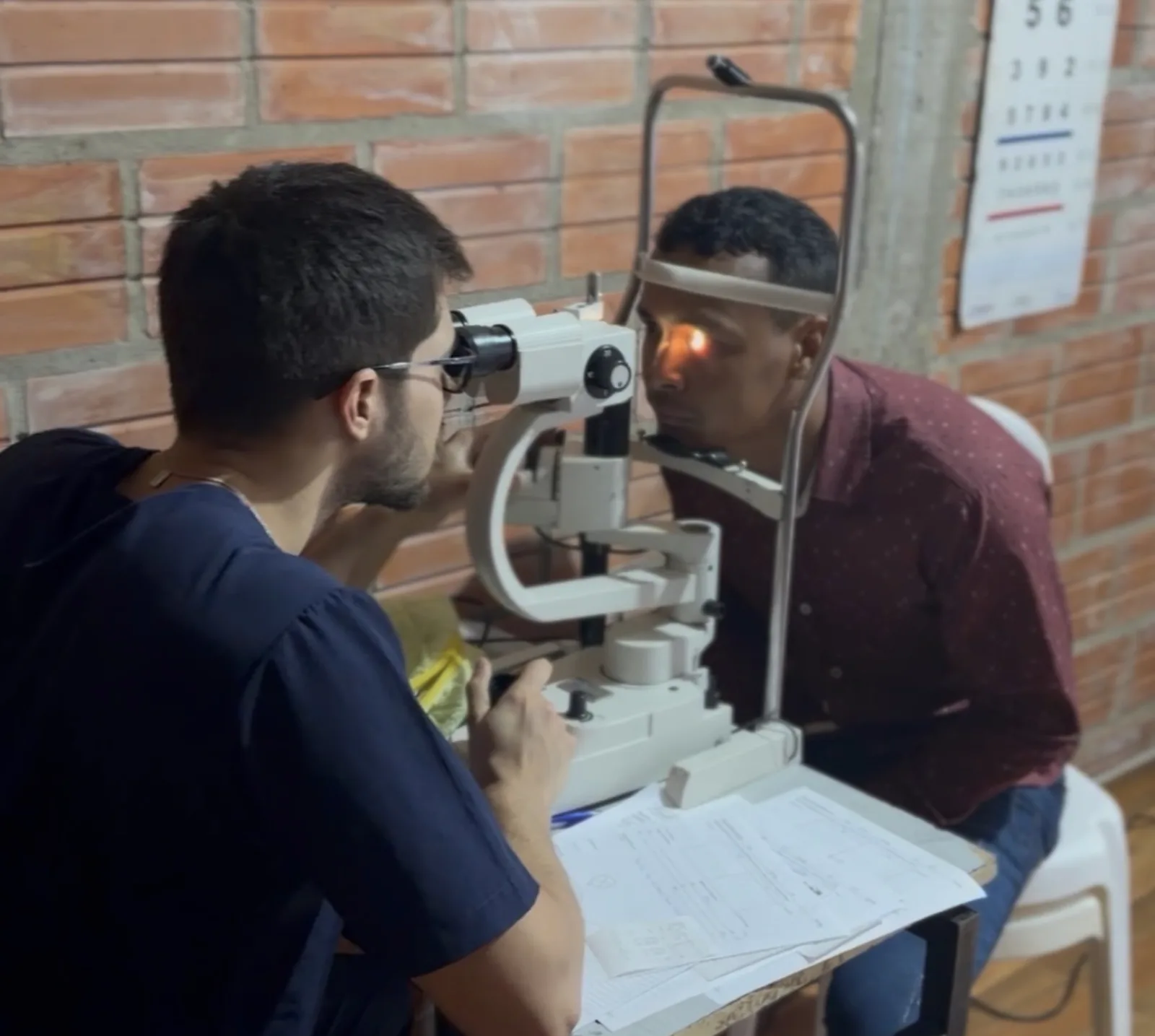
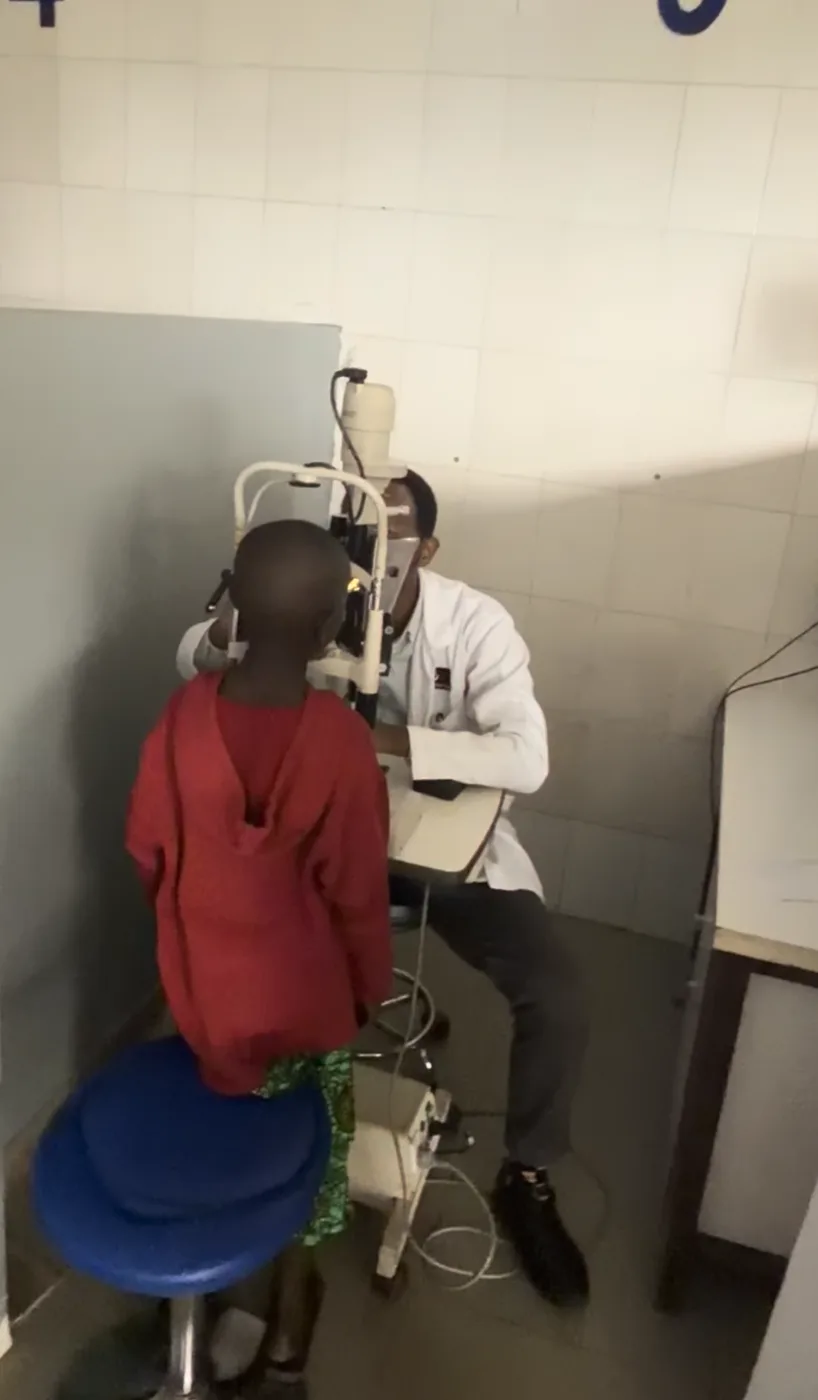
Our bidirectional model
Our philosophy
Durable work begins with local knowledge. We listen to clinicians and communities before deciding what support is useful. The relationship is bidirectional: visiting teams contribute skills and resources while learning from the people who understand the setting, so capacity grows on both sides.
We go where sight-restoring care is out of reach—and build the response alongside the people who understand the setting best.
Blindness and vision loss shouldn't depend on where you're born, how much you earn, or who you are. Yet for millions of people, sight-restoring care remains out of reach.
We deliver surgical care, learn from local communities, and work alongside partners to close the gaps that leave so many without the care they deserve.
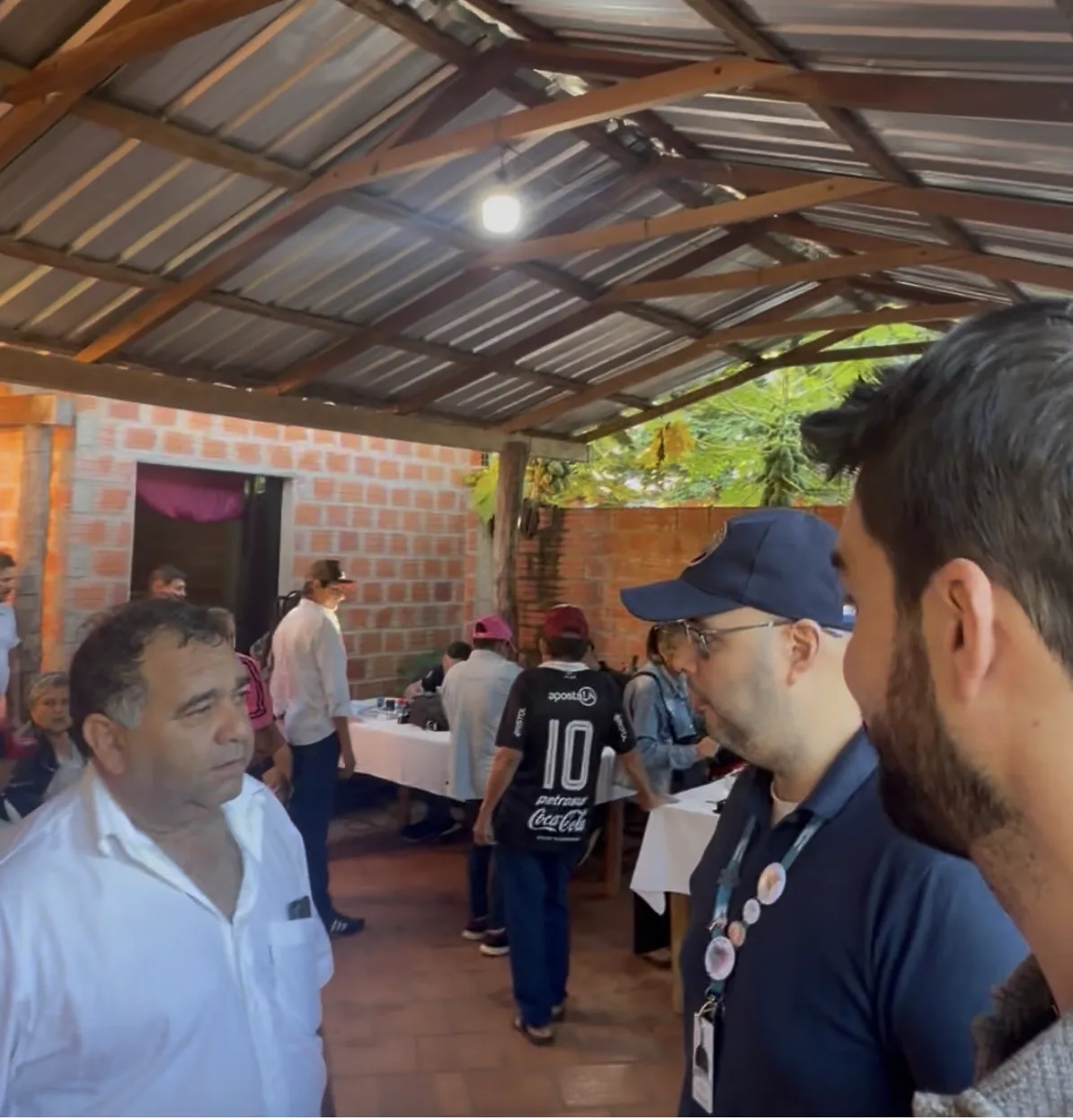
Putting the philosophy into practice
Complex problems require a repeatable way to move from evidence to action. We use rapid assessments to understand where preventable blindness persists, build an efficient response, prove it in one place, measure the result, and refine before expanding.
Use rapid assessments to learn where preventable blindness is occurring, why it persists, and who is being missed.
Turn local evidence into a focused response that makes thoughtful use of people, time, and resources.
Put the plan into practice, measure what works, refine the process, and begin the cycle again.